|
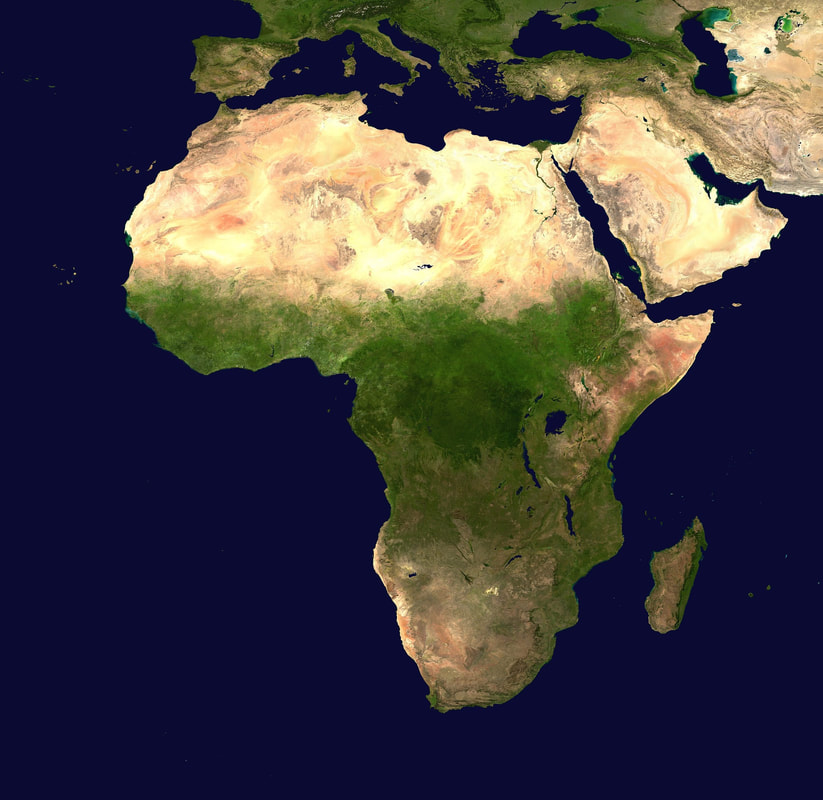
It means transit times have stretched to 60 days on some routes. Shipping costs are under structural upward pressure. And planning ahead is no longer a virtue, but a necessity. To understand how we got here, we have to go back to October 2023, when the war in Gaza broke out. A few weeks later, the Houthis—who have controlled northern Yemen since 2014, financed by Iran—began attacking merchant ships in the Red Sea. Any ship. Regardless of flag or cargo. Since then, they have carried out more than 190 attacks. The result was immediate: major shipping companies abandoned the Suez Canal route, which under normal circumstances handles around 12% of global maritime trade, and began to circumvent the Cape of Good Hope at the southern tip of Africa.
0 Comments
Tensions spilling over from the war in Gaza to merchant ships in the Red Sea escalated on Saturday when media reported that the Israeli military had shot down more than a dozen unmanned attack drones. The Houthis, an armed group that controls much of northern Yemen, have been carrying out drone and missile strikes against Israeli and US targets since the Hamas-led attacks on Israel on October 7. They have said they intend to prevent Israeli ships from sailing in the Red Sea until Israel stops its war against Hamas, which rules Gaza.
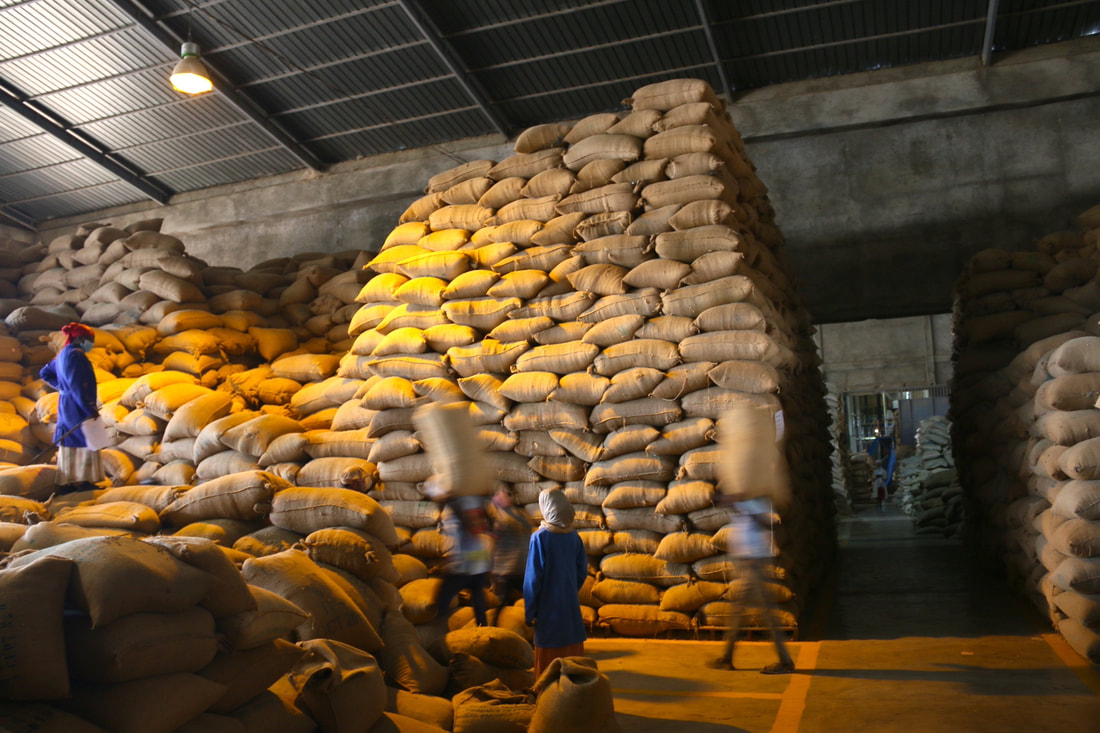
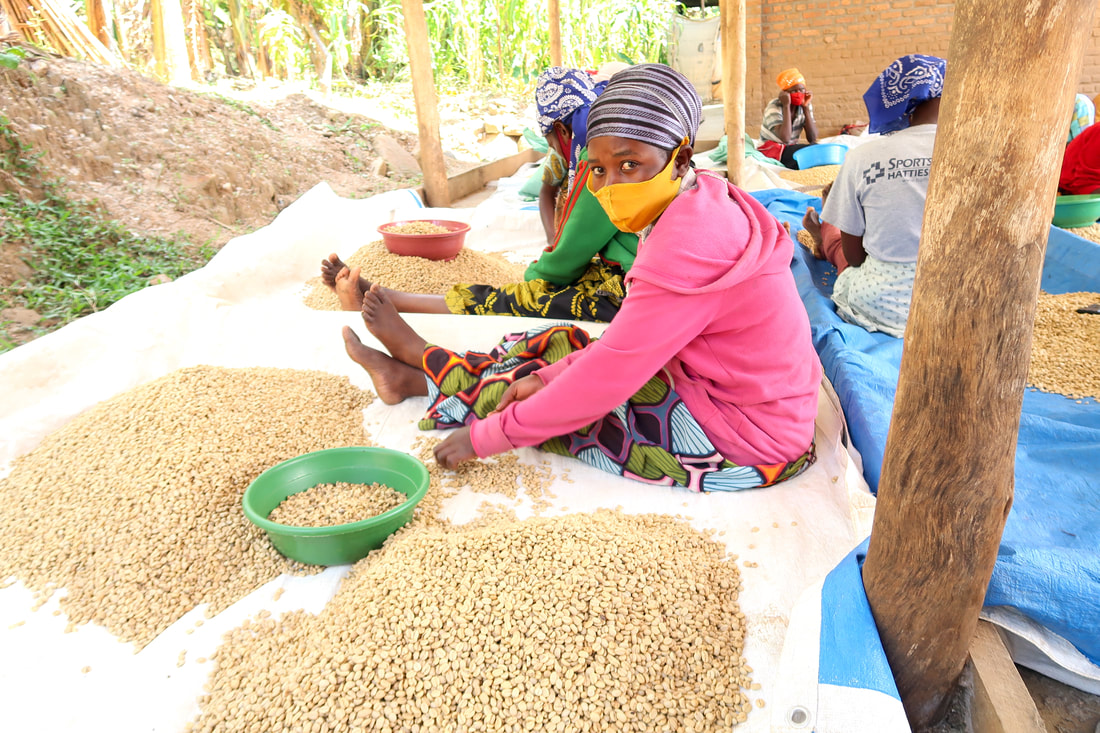
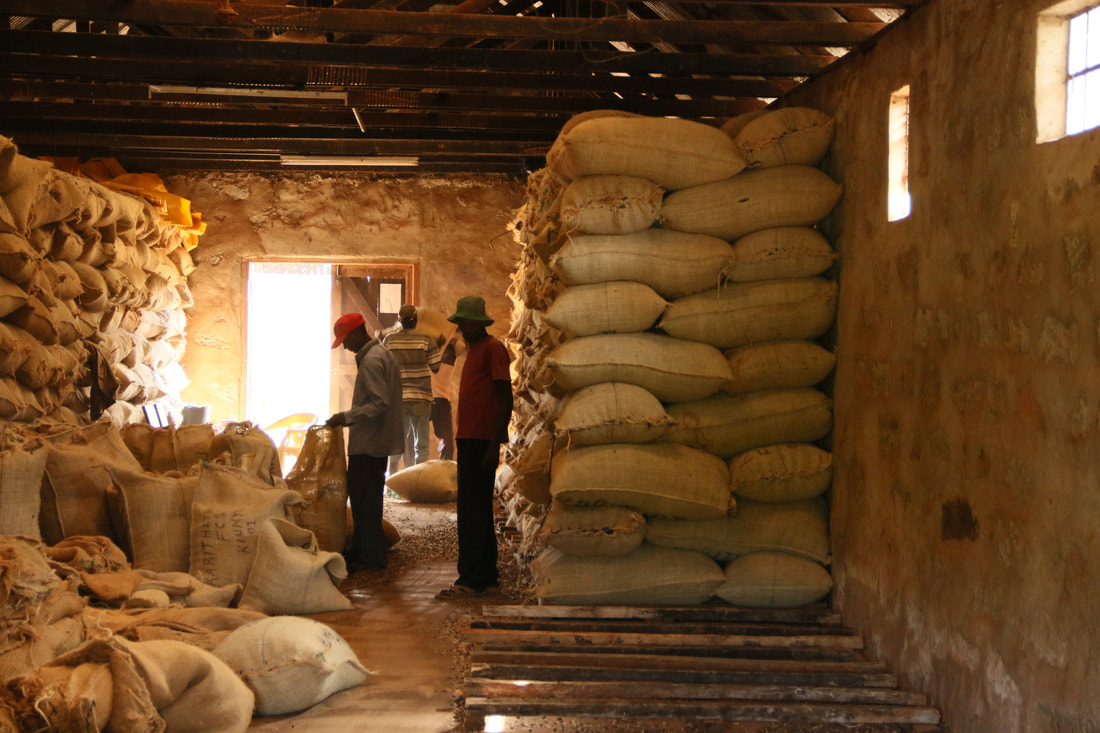
The long journey of coffee has come to an end. It has been several months of arduous effort in which thousands of hands have worked together for a single goal, the production of coffee of the highest possible quality. Although the logistical situation has improved compared to last year, the departure from Ethiopia to Djibouti is chaotic and slow, which risks affecting the quality of the coffee and its moisture content. Ethiopia, the world's second largest producer of "arabica only" after Colombia, has only one harvest per year and in a very limited period of time. Producing so much coffee in such a short time is a major challenge, especially when there are deficiencies in such important aspects as infrastructure, capital flows, inflation, climate change and the lack of organisation so characteristic of Africa, but particularly present in Ethiopia.
Once we have selected our new lots from Ethiopia and have signed the contract with all the import specifications (or export in the case of the producer), the coffee needs to go through a very important stage of the production chain called "Dry Milling", this process includes hulling, various types of classification, and finally packaging and loading into the container. Each of these stages is described in detail below: 1. Hulling: One of those essential steps in the elaboration of coffee and which consists of the "liberation" of the bean from its wrapping or parchment. This is done by means of hulling machines that use friction and pressure to carry out their task.
Uncertain! It would probably be the answer that most of us would have as a first option, but fortunately, we are seeing the light at the end of the tunnel in various aspects that disturbed us in 2021. We have divided them into three main themes and we relate them to what unite us, which is specialty coffee.
This month we have received many messages from roasters asking when the new coffees we have selected in Peru and Indonesia will be arriving to our Barcelona warehouse. And the answer is not easy to articulate.
We have recently read that due to the logistical problems that conflict the world these days, the American multinational Amazon is innovating in its logistics supply chain by reforming twin-engine aircraft to adapt them for cargo and leasing container ships to be able to fulfil their orders and avoid the traffic jams that we are seeing in all the ports of the five continents since last year. |
Archives
April 2026
Categories
All
|

RSS Feed